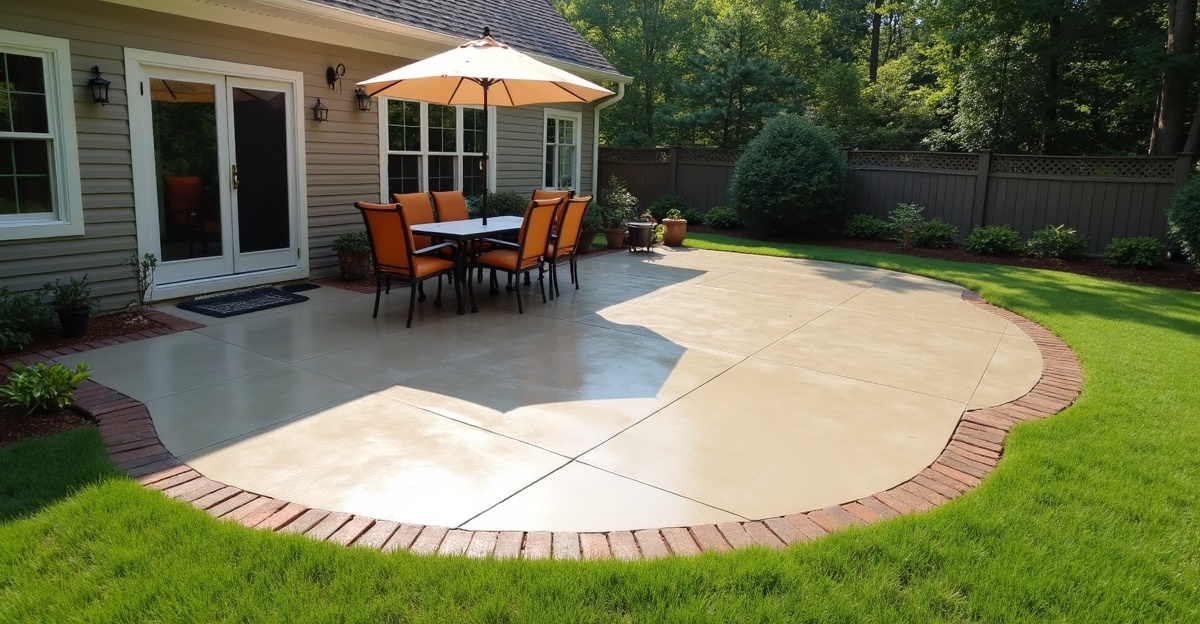
A patio can look finished or forgotten based on one choice: the pattern underfoot. When homeowners ask about the best stamped concrete patio patterns, they are usually trying to solve two things at once - they want a surface that looks better than plain concrete, and they want something that still makes sense for the way they actually use the space.
That is where stamped concrete stands out. It gives you the look of stone, brick, tile, or wood at a lower cost than many individual materials, while keeping the strength and clean installation process of concrete. But not every pattern works for every home. The right pick depends on your house style, patio size, traffic level, and how much visual movement you want in the space.
How to choose the best stamped concrete patio patterns
The best pattern is not always the most detailed one. In many yards, a simpler pattern gives a cleaner, more timeless result. A large patio with an outdoor kitchen, fire pit, or seating walls can handle more texture and variation. A smaller patio often benefits from a pattern that keeps the area from feeling busy.
Color matters just as much as texture. A pattern that looks great in a showroom sample may read very differently once it is poured across a full patio in direct sun. Lighter tones can keep a space feeling open and cooler in appearance. Darker tones add contrast and can help tie the patio to brick, stone, or darker trim on the home.
It also helps to think about the architecture of the house. A traditional brick home often pairs well with old-world stone or brick stamp patterns. A newer home with cleaner lines may look better with slate, ashlar, or plank-style textures. Good patio design is not about picking the fanciest option. It is about making the new surface look like it belongs.
1. Ashlar slate
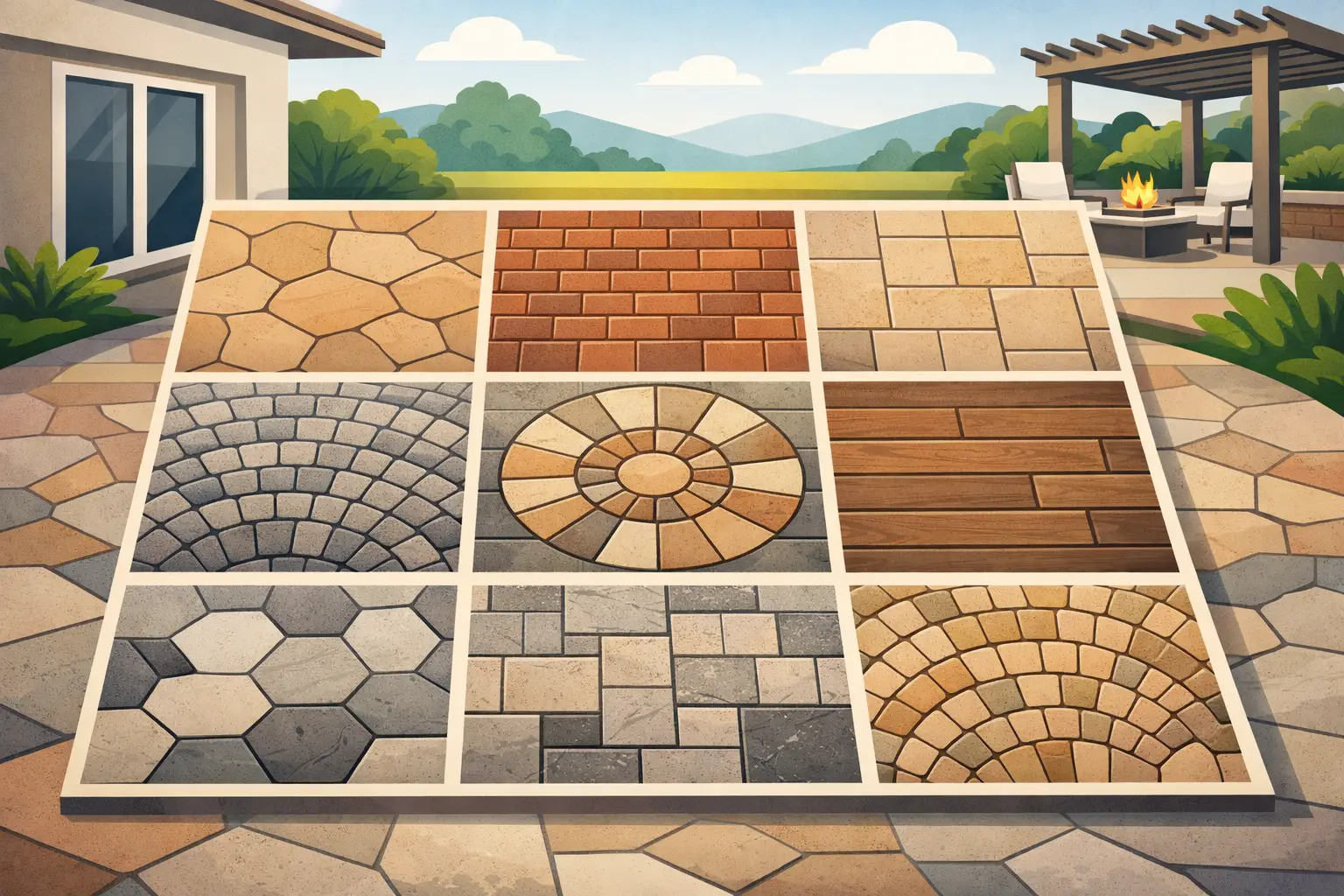
If you want one of the safest and most popular stamped concrete options, ashlar slate usually deserves the first look. It uses rectangular stone shapes in a repeating layout that feels structured without looking stiff. That balance makes it one of the best stamped concrete patio patterns for a wide range of homes.
Ashlar slate works well on medium to large patios because the pattern has enough movement to create interest, but not so much that it takes over the yard. It can lean formal or relaxed depending on the color blend. For homeowners who want a patio that feels upgraded without chasing trends, this is often the pattern to beat.
2. Random stone
Random stone patterns create a more natural, less uniform look. They imitate irregular flagstone and can help a patio blend into planting beds, curved walkways, and softer landscape design. If the goal is to make the hardscape feel less manufactured, this is a strong option.
The trade-off is that random stone can appear visually heavier than more organized patterns. On a small patio, that extra texture may feel crowded. On a larger backyard patio, though, it can add the kind of character that plain broom-finished concrete never will.
3. Brick pattern
Brick stamp patterns are a dependable choice for traditional homes, especially when the patio needs to connect visually with existing brick on the house or nearby hardscape. Running bond and herringbone styles are especially common because they look familiar and stay easy on the eye.
Brick patterns tend to feel neat and classic rather than dramatic. That can be a benefit. If you are designing for resale value or want a patio that will still look appropriate years from now, brick-inspired stamping is often a practical direction. Just keep in mind that realistic coloring matters here. If the color is off, the pattern can look less convincing.
4. Cobblestone
Cobblestone gives a patio a more old-world feel. It is textured, decorative, and often works best in spaces where the patio is meant to be a focal point rather than just a place to set furniture. Entry courtyards, accent borders, and smaller entertainment areas can all benefit from this style.
For a large patio, cobblestone across the entire surface can sometimes feel too busy. Many property owners get a better result by using it as a border or accent section paired with a calmer main field pattern. That mix adds personality without making the whole slab feel overly detailed.
5. Wood plank
Wood plank stamped concrete is a smart option for people who like the warm look of wood but do not want the upkeep of a traditional deck. It can complement farmhouse, craftsman, and modern-rustic homes especially well.
This pattern looks best when the coloring and plank widths are chosen carefully. Too much contrast or overly dramatic grain can make it look artificial. Done well, wood plank concrete gives you a durable patio surface with the visual softness of wood, which is a useful combination in backyards that need both style and low maintenance.
6. Seamless slate
Seamless slate has a more subtle texture than many heavily jointed patterns. Instead of obvious grout lines or distinct stone shapes, it gives the patio a softer, more continuous finish. That makes it a good fit for contemporary homes or for clients who want texture without a strong patterned grid.
This option is also practical when the patio already has a lot happening around it, such as furniture groupings, retaining walls, or strong landscape features. In those cases, a quieter surface can help the whole space feel more pulled together.
7. European fan
European fan is one of the more decorative stamped concrete patterns, often used to mimic old brick courtyards. It has a curved, radiating layout that immediately draws attention. For the right property, it creates a distinctive custom look.
It is not the most flexible choice, though. This pattern works best when it suits the style of the home and the patio shape. On a sleek modern house, it may feel out of place. On a traditional or more classic property, it can add charm that feels intentional rather than forced.
8. Travertine texture
Travertine-style stamped concrete has become a popular choice for homeowners who want a cleaner, upscale appearance. It tends to offer a more refined look than rougher stone textures, and it fits well with pools, outdoor dining areas, and newer home designs.
One reason this pattern ranks among the best stamped concrete patio patterns is versatility. It can work in light neutral colors for a bright, airy finish, or in warmer earth tones for a more grounded appearance. It also tends to photograph well, which matters more than people think when curb appeal and resale are part of the equation.
9. Custom border combinations
Sometimes the best result is not a single pattern at all. A main field in ashlar slate or seamless texture paired with a contrasting border can make the patio look more finished and more custom. Borders can define dining areas, frame steps, or help tie the patio to a walkway or driveway.
This approach works especially well when the goal is to elevate the design without overcomplicating the entire slab. It gives the patio detail where it counts while keeping the central area more relaxed and usable.
Which stamped concrete patio pattern is right for your property?
The answer usually comes down to how the patio will be used and what the home already gives you to work with. If you want broad appeal and a dependable look, ashlar slate, travertine texture, and brick patterns are hard to go wrong with. If you want something more natural, random stone may fit the landscape better. If you want the patio to feel more custom, borders or wood plank finishes may be worth the extra design attention.
It is also worth thinking beyond appearance. Deep texture can affect how furniture sits. Strong color variation can show dirt differently than a more blended finish. Large, open patios often need saw cuts or layout planning that work with the stamp pattern instead of against it. These details may sound small, but they shape whether the patio looks polished when the project is complete.
For homeowners and property managers in areas like Loganville, Winder, and Athens, stamped concrete also needs to perform well through changing weather, regular use, and seasonal exposure. That is why pattern selection should never be separated from installation quality. Even the best-looking stamp choice depends on proper prep, consistent finishing, and a clean layout.
At Greenstone Landscaping Co, the best patio projects usually start with a simple conversation about the property, the home style, and how the space needs to function day to day. A good stamped concrete patio should do more than imitate another material. It should give you a surface that fits your home, holds up to use, and makes the whole outdoor space feel more complete.
If you are narrowing down options, start by ruling out patterns that fight the style of your house. The right one will usually feel obvious once you see it in the context of the full yard, not just as a small sample. That is when a patio stops being just another project and starts feeling like part of the property.