A backyard patio usually becomes the most used part of the property once the weather cooperates. It is where people grill, sit with family, host friends, or simply want a clean place to step outside. That is exactly why a winder stamped concrete patio gets so much attention from homeowners who want something better than a plain slab without taking on the cost and upkeep of natural stone.
Stamped concrete gives you a hard surface that feels finished, intentional, and built to match the home. Instead of settling for a basic gray rectangle, you can create a patio that looks more custom, ties into the landscaping, and holds up well under regular use. For many properties, it hits the sweet spot between appearance, durability, and long-term value.
Why homeowners choose a winder stamped concrete patio
Most people start with the same goal: they want the backyard to feel more complete. A patio should make outdoor space easier to use, but it also needs to look like it belongs there. Stamped concrete works well because it offers design flexibility without turning the project into a high-maintenance feature.
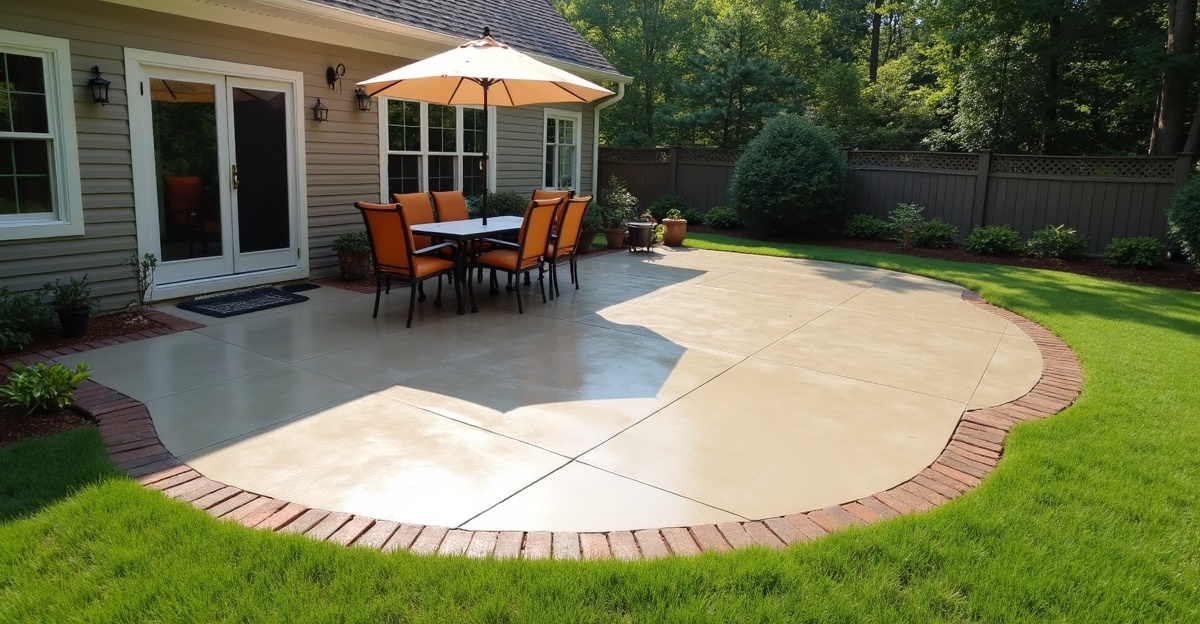
The biggest appeal is visual improvement. Patterns can mimic stone, slate, brick, or textured surfaces, and color can be selected to complement the home, nearby planting beds, or existing hardscapes. That gives homeowners a lot more control over the finished look than they would get from plain poured concrete.
There is also the practical side. Concrete is strong, reliable, and easier to maintain than many surface materials. When installed correctly on a properly prepared base, it provides a stable area for furniture, foot traffic, and everyday outdoor living. For homeowners who want a polished result without constantly dealing with shifting pieces or weed growth between joints, stamped concrete is often the better fit.
What stamped concrete actually changes
A stamped patio is still a concrete patio at its core. The difference is that while the concrete is still workable, texture and pattern are pressed into the surface to create a more decorative finish. Color can be added through integral pigment, color hardeners, stains, or release agents depending on the desired effect.
That means the patio is not just functional. It becomes a design feature. A smooth broom-finished slab does the job, but it rarely adds much character. A stamped surface can help the patio connect visually with the architecture of the house, the shape of the yard, and the rest of the outdoor space.
This matters more than many people expect. A patio that looks intentional tends to get used more often. It can make the backyard feel more like an outdoor room rather than an afterthought.
Popular looks for stamped concrete patios
The right pattern depends on the home and how formal or relaxed the finished space should feel. Ashlar slate is a common choice because it has a clean, upscale appearance without looking too busy. Random stone patterns can create a more natural feel. Brick-style stamps work well when homeowners want a traditional look that ties into masonry on the home.
Color is just as important as pattern. Earth tones, warm browns, charcoal blends, and weathered stone shades tend to age well visually and work with a wide range of exteriors. Very bold color choices can look striking at first, but they are not always the best long-term decision. In most cases, a natural, balanced tone gives the patio broader appeal and helps it stay attractive over time.
Where stamped concrete makes the most sense
A stamped patio is a strong option when the goal is to improve both function and curb appeal. It works especially well for homeowners adding a main seating area off the back door, expanding a small builder-grade patio, or replacing a worn surface that never looked finished.
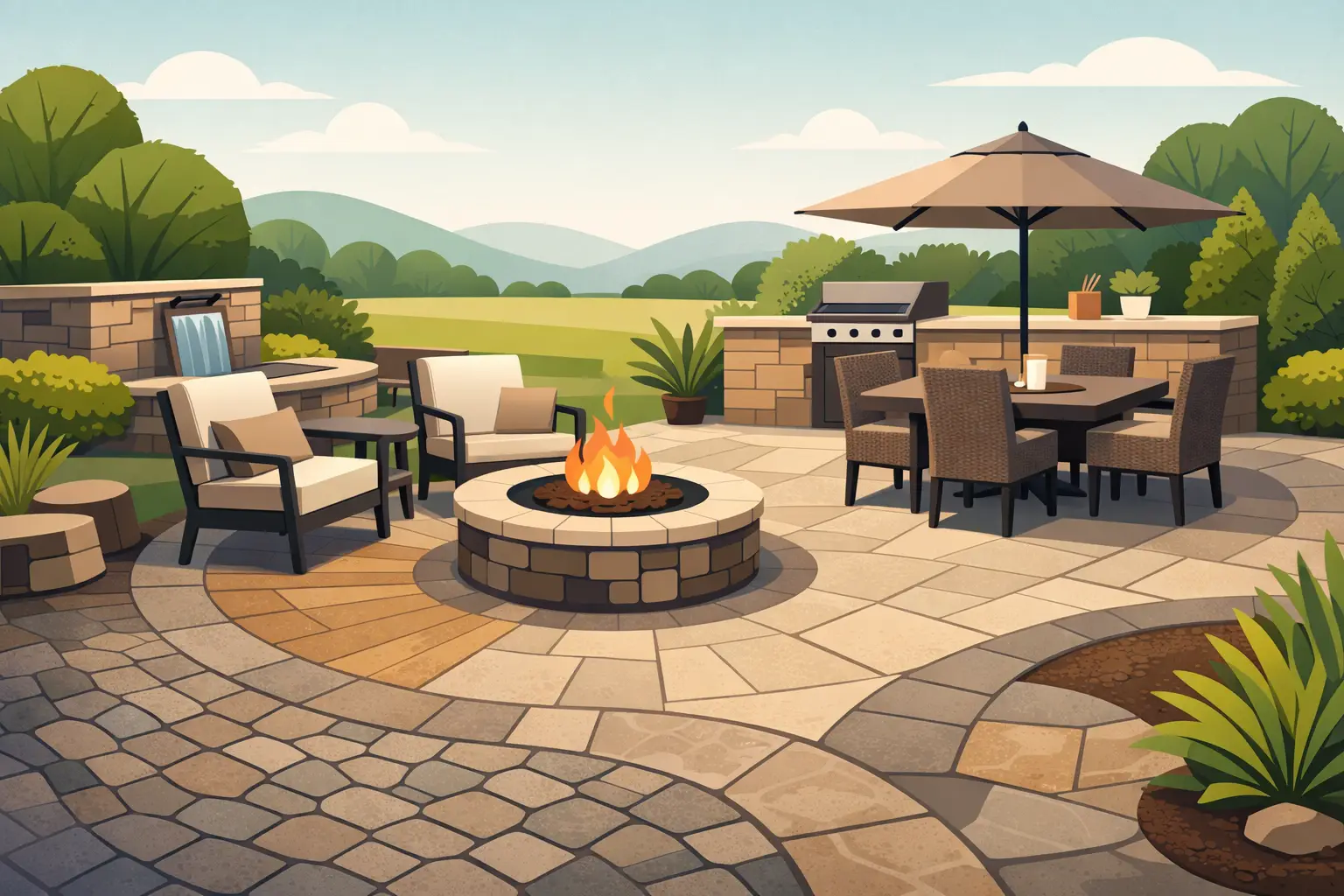
It is also useful on properties where owners want one material to do a lot of work. A stamped concrete patio can define a dining area, connect with walkways, frame a fire pit space, or transition into other hardscape features. Because it is poured in place, it can be shaped to fit the yard instead of forcing the design into a rigid layout.
That said, it is not always the perfect answer for every property. If someone wants the exact irregularity and individual piece character of real natural stone, stamped concrete may not fully replace that look. And if a yard has major drainage or grading issues, those need to be addressed first. Decorative concrete performs best when the foundation work is handled correctly.
The details that affect the final result
A stamped patio can look excellent or disappointing depending on execution. The pattern itself is only part of the equation. Base preparation, concrete mix, reinforcement, drainage planning, control joints, coloring method, and sealing all influence how the patio performs and how it looks after a few seasons.
Good installation starts below the surface. If the base is not compacted properly, movement can create problems later. If water is allowed to collect near the house or sit on the patio, the surface may become more vulnerable to wear and staining. If the pattern layout is rushed, the finish can look repetitive or awkward.
This is where experienced installation matters. Homeowners are not just paying for concrete and texture. They are paying for the prep, timing, craftsmanship, and jobsite control that make the patio look clean and hold up as expected.
Size, shape, and layout matter more than people think
Many patio problems are not material problems. They are layout problems. A patio can be beautifully stamped and still feel too small, too narrow, or disconnected from the rest of the yard.
Before installation, it helps to think about how the space will actually be used. A patio for a grill and two chairs needs a different footprint than one intended for dining, entertaining, and movement around furniture. Curves can soften a yard and create a more custom look, while straight lines often pair well with more traditional or modern homes. Neither is automatically better. It depends on the property and the intended use.
A dependable contractor should help you think through these choices before the pour begins, not after.
Cost expectations and value
Stamped concrete usually costs more than plain concrete because of the added labor, materials, and finishing work involved. Patterning, coloring, and sealing take time and skill. However, it often remains more cost-effective than high-end natural stone or paver installations, especially when homeowners want a large patio area with a custom appearance.
The better way to evaluate cost is to look at value over time. A patio should improve how the property functions and how it looks. If it makes the backyard more usable, adds visual appeal, and lasts well with routine care, it tends to justify the investment.
Trying to save money by cutting corners on prep or finishing often creates the opposite result. The patio may look acceptable on day one but develop avoidable issues later. A lower bid is not always the better value if the workmanship is inconsistent.
Maintenance is simple, but not optional
One reason stamped concrete remains popular is that maintenance is manageable. It does not require the same kind of upkeep as some segmented surfaces, and everyday cleaning is usually straightforward. Sweeping debris, rinsing dirt, and cleaning occasional spills goes a long way.
Sealing matters, though. A quality sealer helps protect the color, improve stain resistance, and reduce surface wear from weather and traffic. The exact resealing schedule depends on exposure, use, and local conditions, but it should not be ignored.
It is also worth being realistic. Stamped concrete is durable, not indestructible. Heavy impacts, shifting ground, freeze-thaw stress, and poor drainage can all affect longevity. The goal is not a surface that never changes. The goal is a surface that continues to perform and look good with reasonable care.
Choosing the right contractor for a stamped patio
If you are comparing contractors for a winder stamped concrete patio, ask how they handle preparation, drainage, reinforcement, and finishing detail - not just what patterns they offer. Decorative concrete is one of those services where the process matters as much as the product.
You want a company that can explain the options clearly, recommend a layout that fits the property, and deliver clean workmanship from start to finish. That includes honest conversations about trade-offs. For example, a darker color may hide some dirt but show surface wear differently. A larger patio may improve function but also change how the yard is used. A high-gloss sealer may enhance color, but not every homeowner likes that finish.
The best projects come from good planning and clear expectations. That is where a capable outdoor contractor brings real value.
For homeowners in Winder and nearby communities, Greenstone Landscaping Co approaches stamped concrete the same way it approaches any exterior improvement - with an emphasis on solid construction, attractive results, and a finished space that is built to be used. A good patio should not just photograph well. It should work well on a normal Tuesday evening when you step outside and actually enjoy being there.
If your backyard feels unfinished, a stamped concrete patio is one of the most practical ways to change that. Done right, it gives you a cleaner layout, a stronger visual impression, and an outdoor surface that makes the property easier to enjoy for years to come.