
A front yard rarely turns into a problem all at once. It usually happens in small steps - thinning grass, empty planting beds, a patio that feels disconnected from the rest of the property, shrubs that no longer fit the space, and an entrance that looks tired even when the house itself is in good shape. That is where residential gardening services make a real difference. The right provider does more than tidy things up. They help shape an outdoor space that looks better, works better, and feels easier to keep up with over time.
For most homeowners, the biggest issue is not knowing what could improve the property. It is having the time, equipment, and dependable help to actually make those improvements happen. Outdoor spaces need planning, installation, and follow-through. If even one part is handled poorly, the whole yard can feel unfinished. A professional service brings structure to that process so the property starts looking intentional instead of pieced together.
What residential gardening services should actually include
The phrase residential gardening services can mean different things depending on the company. Sometimes it only refers to basic plant care. In a more complete sense, it should cover the work that improves the appearance, function, and long-term condition of the outdoor space around a home.
That often starts with planting and bed design. Flower beds, foundation plantings, border plantings, and seasonal color all affect how the property is seen from the street and how it feels when you walk up to the front door. Good planting is not just about adding greenery. It is about choosing the right size, spacing, shape, and placement so the landscape still looks balanced months and years later.
It can also include sod installation when the lawn area is thin, patchy, or too far gone to recover well on its own. Fresh sod changes the appearance of a home quickly, but it only performs well when the ground is properly prepared and the installation is done cleanly. That is one reason many homeowners prefer hiring one contractor who can handle both the visible transformation and the prep work behind it.
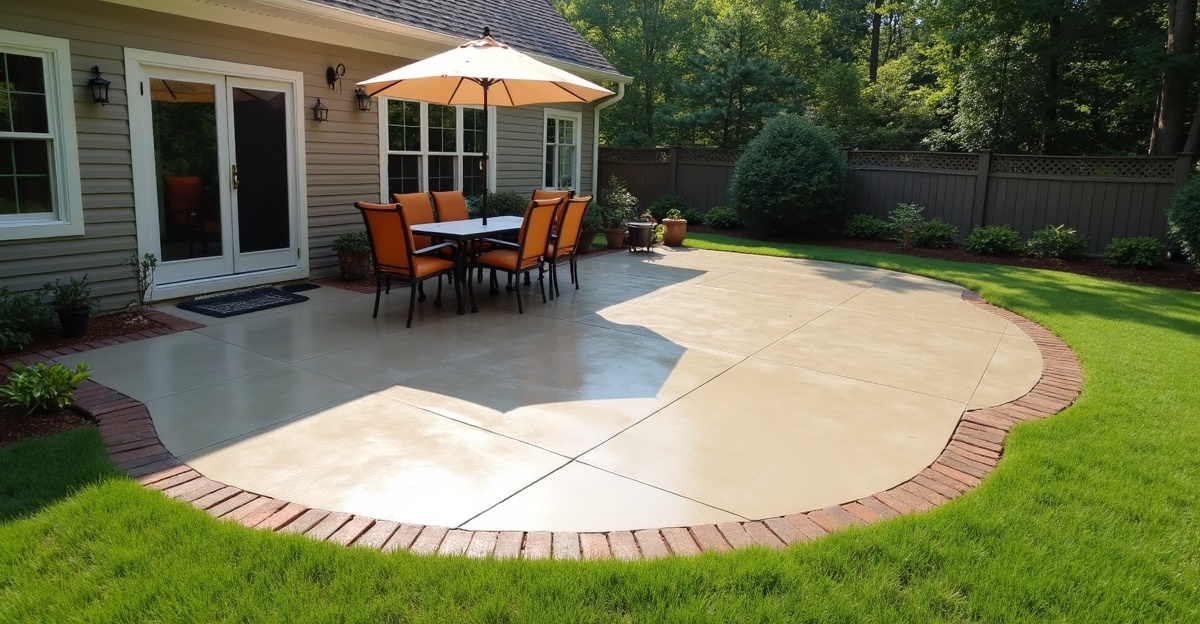
Hardscape matters too. Patios, walkways, edging, and driveways all influence how a yard looks and how people use it. A planting plan may soften the property and add color, but concrete patios and driveways create structure. If the goal is a finished outdoor space rather than a collection of separate upgrades, those elements need to work together.
Why homeowners hire residential gardening services
Most people are not looking for more outdoor chores. They are looking for relief from them, along with a better-looking property. That is why service matters as much as design. Homeowners want someone who can evaluate the space, recommend practical improvements, and complete the work without turning the project into a second job for the client.
Curb appeal is usually the first motivator. When the front yard is clean, planted well, and framed by a solid driveway or walkway, the whole property feels more cared for. That matters whether you plan to stay for years or eventually sell. Buyers notice the outside before they ever step in the front door, and homeowners notice it every time they pull into the driveway.
Property value is part of the equation, but daily use matters just as much. A backyard with a concrete patio or stamped concrete patio becomes more usable for family time, outdoor meals, and entertaining. Plantings can add privacy, soften hard surfaces, and make the area feel complete. In that sense, residential gardening services are not just about appearance. They are about creating outdoor spaces that people actually enjoy using.
There is also the trust factor. Many homeowners have dealt with contractors who overpromise, undercommunicate, or leave work incomplete. A dependable landscape company removes that friction. Clear recommendations, consistent scheduling, and quality workmanship are often worth as much as the finished result.
The best results come from a full-property plan
One of the most common mistakes in residential outdoor work is treating every issue as a separate fix. New plants go in one year. A patio is added later. The driveway gets replaced after that. The work may all be useful, but if nothing is connected, the property can still feel mismatched.
A better approach is to look at the entire exterior at once. That does not mean everything has to be installed in a single phase. It means the layout, style, and priorities should be considered together. If a homeowner wants a stamped concrete patio, for example, the surrounding planting beds, transitions, and access points should support that feature instead of competing with it.
This is where a full-service company has an advantage. When one provider handles planting, sod installation, hardscape work, and property improvements, the finished result usually feels more cohesive. There is less finger-pointing, fewer scheduling gaps, and a clearer vision from start to finish.
For homeowners in areas like Loganville, Winder, and Athens, that local consistency can be especially helpful. Weather patterns, soil conditions, and typical property layouts all influence what works best, so practical recommendations matter more than generic ideas pulled from a catalog.
How to tell if a property needs more than basic planting
Sometimes the issue really is simple. A few fresh beds, updated shrubs, or new sod can make a major difference. Other times, the landscape is telling you that the property needs a broader reset.
If drainage is making lawn areas fail, if traffic patterns are wearing down the yard, or if the front entrance lacks definition, planting alone will not solve the problem. The same goes for homes where the driveway is cracked, the patio is undersized, or there is no clear outdoor living space. In those cases, the garden and the hardscape need to be addressed together.
That is why good recommendations are grounded in how the property functions, not just how it looks in one season. A nice-looking install is not enough if the layout still creates frustration. Homeowners benefit most when a contractor considers access, durability, upkeep, and the way each part of the yard supports the next.
Choosing residential gardening services with confidence
Not every company offering residential gardening services is built the same way. Some are best for small cosmetic updates. Others are equipped to handle larger exterior improvement projects that combine landscape and hardscape work.
The key is to look for a provider that can explain the why behind the recommendations. If a contractor suggests sod, planting, and a new concrete patio, the reasoning should be clear. Maybe the lawn is beyond recovery, the existing beds make the house look dated, and the backyard has no practical gathering space. When the plan is explained well, homeowners can make decisions based on value instead of guessing.
It also helps to work with a company that respects the balance between beauty and practicality. A yard can look impressive on installation day and still be wrong for the property if it ignores sun exposure, spacing, drainage, or traffic flow. Good service is not about selling the biggest project. It is about recommending work that fits the home, the goals, and the budget.
Greenstone Landscaping Co is built around that kind of full-service thinking. For homeowners who want one reliable team to improve and upgrade outdoor spaces, that approach saves time and usually leads to stronger results.
What a stronger outdoor space gives back
A well-planned exterior does more than make a house look polished. It changes how the property feels to live in. The front yard makes a better first impression. The backyard becomes more usable. The driveway and patio feel like part of the home instead of leftover surfaces. And the entire property presents itself as cared for, consistent, and worth investing in.
That return is not always dramatic in one single moment. Often it shows up in smaller ways - less frustration with the look of the yard, more confidence in inviting people over, and more satisfaction every time you come home. Those are practical benefits, and they matter.
If your outdoor space feels unfinished, disconnected, or harder to manage than it should, the right improvements can change that. The best residential gardening services do not just add plants. They create a property that looks intentional, performs well, and gives you one less thing to worry about.