
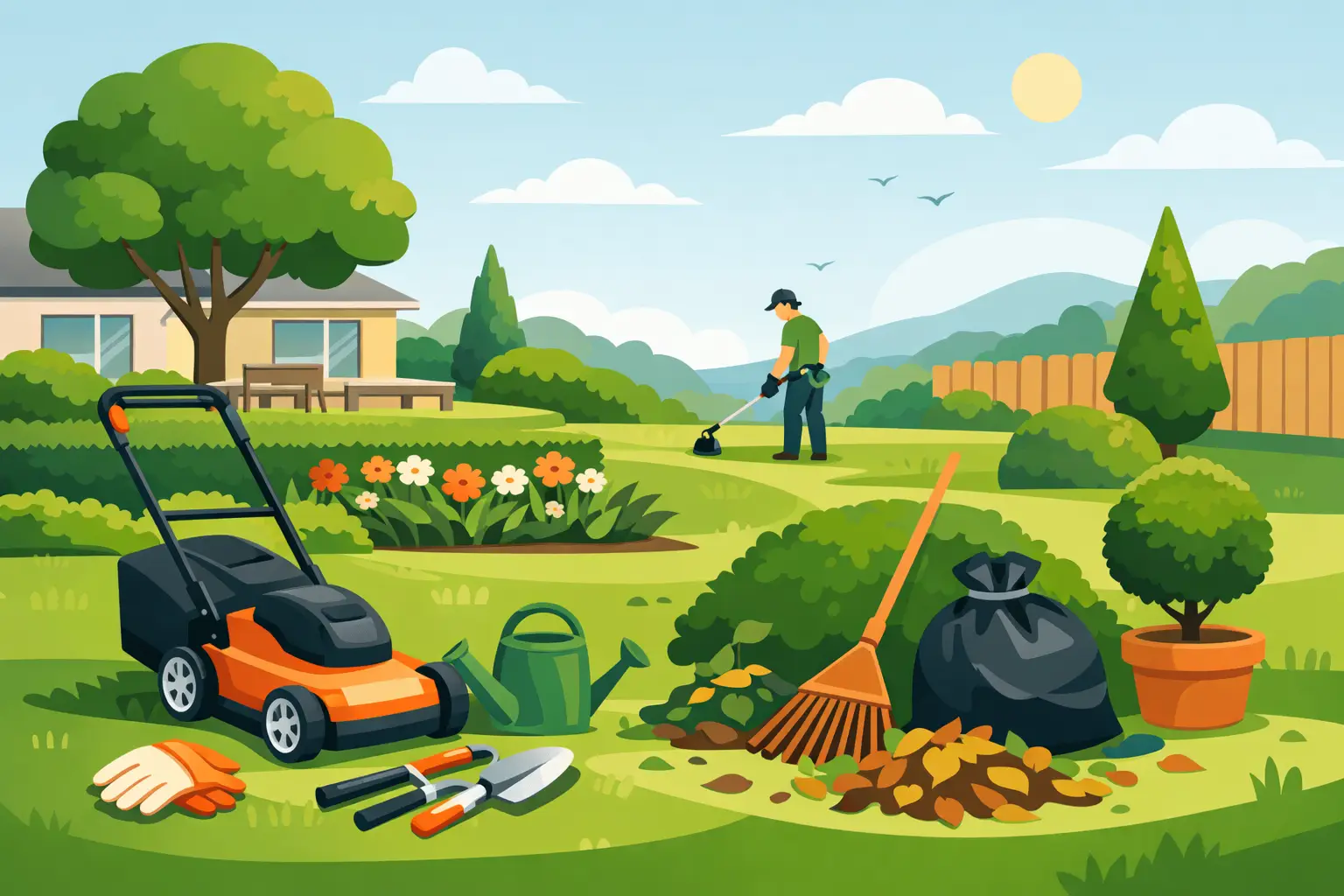
A good-looking yard rarely happens by accident. It usually comes down to a clear yard maintenance list, followed consistently enough that small issues do not turn into expensive ones. If you manage a home, rental property, or small commercial site, having the right tasks on your radar keeps the property cleaner, safer, and easier to maintain year-round.
The challenge is not knowing that outdoor spaces need work. The challenge is knowing what actually matters, what can wait, and what should be handled before it affects curb appeal or property value. That is where a practical list helps.
What a yard maintenance list should cover
A useful yard maintenance list goes beyond mowing and edging. A well-kept property includes turf, planting beds, shrubs, trees, drainage areas, hardscapes, and the overall appearance of the front and back yard. If one area is neglected, the whole property can start to look unfinished.
For most properties, the goal is simple. Keep growth under control, protect what has been installed, and make the yard look intentional. That means routine cleanup, seasonal attention, and fast correction of anything that starts to slip.
There is also a cost factor. Regular upkeep is usually far more affordable than replacing dead plants, repairing erosion damage, pressure washing years of buildup off concrete, or reworking landscape areas that have been ignored too long.
The core yard maintenance list for most properties
Start with the grass, because it frames the entire property. Grass should be cut at a healthy height for the season and variety, not scalped for a quick short-term fix. Clean edges along driveways, walkways, and beds immediately make the yard look sharper. Bare spots, weeds, and thin growth should be addressed early before they spread or become more noticeable.
Planting beds need regular attention as well. Mulch should stay at an appropriate depth to help retain moisture, reduce weed pressure, and give the beds a finished appearance. Weeds should be removed before they seed out and take over. Bed lines should be redefined when they start to blur into turf or groundcover.
Shrubs and ornamental plants need more than occasional trimming. They should be pruned with a purpose, whether that is shape, size control, plant health, or clearance around walkways and windows. Over-pruning can leave plants looking harsh, while delayed pruning can make the entire landscape feel overgrown.
Trees deserve a place on every maintenance plan, especially on older properties. Low limbs can interfere with visibility and traffic flow, while dead or damaged branches can become a safety issue. It is also smart to watch for early signs of stress like thinning canopies, dieback, or unusual leaf drop.
Cleanup matters more than many property owners realize. Leaves, sticks, seed pods, and other debris collect quickly in corners, beds, gutters, and along fences. Even if the landscape itself is in decent condition, debris makes the property look neglected.
Hardscape areas should be checked regularly too. Concrete patios, stamped concrete patios, walkways, and driveways all benefit from routine cleaning and inspection. Dirt, mildew, weeds in joints, and edge overgrowth can make these surfaces look older than they are. Small cracks or drainage issues are worth noticing early, because they are easier to manage before they become larger repair jobs.
Seasonal priorities that keep the list manageable
A year-round yard maintenance list is easier to follow when it is broken into seasons. The exact timing depends on your region, weather patterns, and the type of landscape installed, but the rhythm tends to stay similar.
Spring
Spring is when most properties need a reset. Winter debris should be cleared, damaged plant material removed, and bed edges cleaned up. This is also a good time to inspect sod areas for thin spots, refresh mulch where needed, and look at drainage performance after rain.
Spring is often when hidden problems show up. Maybe a planting area did not drain well over winter. Maybe turf along the driveway is struggling because of compaction. Catching those issues early gives you more options.
Summer
Summer maintenance is about appearance and stress management. Grass growth can be strong, but heat can also take a toll. Watering practices, mowing height, and plant health become more important during long hot stretches.
Beds may need more frequent weeding, and shrubs can outgrow their space quickly. This is also the season when patios and outdoor living areas get more use, so keeping surfaces clean and presentable matters more.
Fall
Fall is one of the best times to get the property back under control. Leaves need steady cleanup, not a last-minute push after everything has dropped. Planting beds can be tidied, dead annuals removed, and turf areas prepared for cooler weather.
This is also a good time to look at larger improvements. If your yard has drainage trouble, tired planting areas, worn sod, or hardscape features that no longer fit the space, fall is often a practical time to plan upgrades.
Winter
Winter is quieter, but it should not be ignored. This is the season for inspection, cleanup, pruning of certain plants, and planning. A property that stays reasonably neat through winter tends to come back faster and look better in spring.
For commercial sites and managed residential properties, winter is also the right time to review what worked and what did not in the previous year. If maintenance felt reactive instead of organized, the list probably needs to be tightened up.
Where property owners often fall behind
The biggest issue is inconsistency. Many people handle the visible tasks first, then delay the rest until the yard feels like too much work. That usually means the property swings between looking acceptable and looking neglected, with no stable middle ground.
Another common problem is treating every part of the yard the same. Turf, planting beds, shrubs, sod, and hardscape areas all age differently and need different levels of attention. A stamped concrete patio, for example, may not need constant work, but it does benefit from regular cleaning and periodic care to preserve its appearance. New plantings may need closer monitoring than established shrubs. Fresh sod needs a different level of oversight than mature lawn areas.
There is also the question of priorities. If you are trying to improve curb appeal for resale, tenant retention, or customer impressions, the front entry, driveway, walkway, and primary bed areas should usually come first. If you are focused on family use, the backyard patio, open play areas, and drainage around the home may matter more. A good list reflects how the space is actually used.
When a simple list becomes a property plan
Some yards only need steady upkeep. Others need a combination of maintenance and improvement. If the layout is outdated, the beds are sparse, the patio feels undersized, or the driveway is pulling down the look of the whole property, maintenance alone will not create the result you want.
That is where it helps to think of the yard as a system. Concrete driveways and patios affect how clean and organized the property looks. Planting design affects color, softness, and curb appeal. Sod installation can change the feel of a worn-out yard quickly when the existing turf is beyond recovery. Hardscape installation can also reduce maintenance in areas that are hard to mow or keep dry.
For homeowners and managers who want fewer headaches, the best long-term approach is often a blend of upkeep and targeted upgrades. Instead of repeatedly patching weak areas, you improve the parts of the property that create ongoing work or visual drag.
How to use this yard maintenance list in real life
Keep the list practical. If it is too detailed, it gets ignored. If it is too vague, important tasks get missed. Most properties do well with a recurring check on turf appearance, bed condition, plant growth, debris removal, and hardscape cleanliness, with seasonal reviews for drainage, pruning, and improvement opportunities.
It also helps to be honest about time. Some owners enjoy weekend yard work. Others want the property handled correctly without having to think through every task or timing decision. Neither approach is wrong. What matters is that the work gets done before the yard starts slipping backward.
For properties in places like Loganville, Winder, and Athens, where warm-season growth can move fast and long growing seasons put pressure on outdoor spaces, consistency matters even more. Small delays show up quickly in the form of overgrowth, weeds, and worn-looking surfaces.
If your current routine feels scattered, start by identifying the areas people notice first, then tighten up the tasks that protect those areas. A cleaner driveway, sharper bed lines, healthier planting areas, and better-looking patio surfaces can change the feel of a property faster than most people expect.
A yard does not have to be elaborate to look well cared for. It just has to show that someone is paying attention, on purpose, and at the right times.