If your yard looks unfinished, worn out, or harder to use than it should be, seeing real landscaping services examples can make the next step a lot clearer. Most property owners are not looking for random upgrades. They want outdoor improvements that solve a problem, look better, and hold up over time.
That is why landscaping is usually more than planting a few shrubs or laying fresh grass. A well-planned outdoor space often blends visual appeal with function, drainage, access, durability, and ongoing care. For homeowners and small commercial properties, the best results usually come from choosing services that work together rather than treating each issue as a separate project.
Landscaping services examples for real properties
The term landscaping covers a wide range of work, and not every property needs the same mix. A front yard with poor curb appeal needs a different approach than a backyard built for entertaining. A small business may care more about clean access, durable surfaces, and a polished first impression.
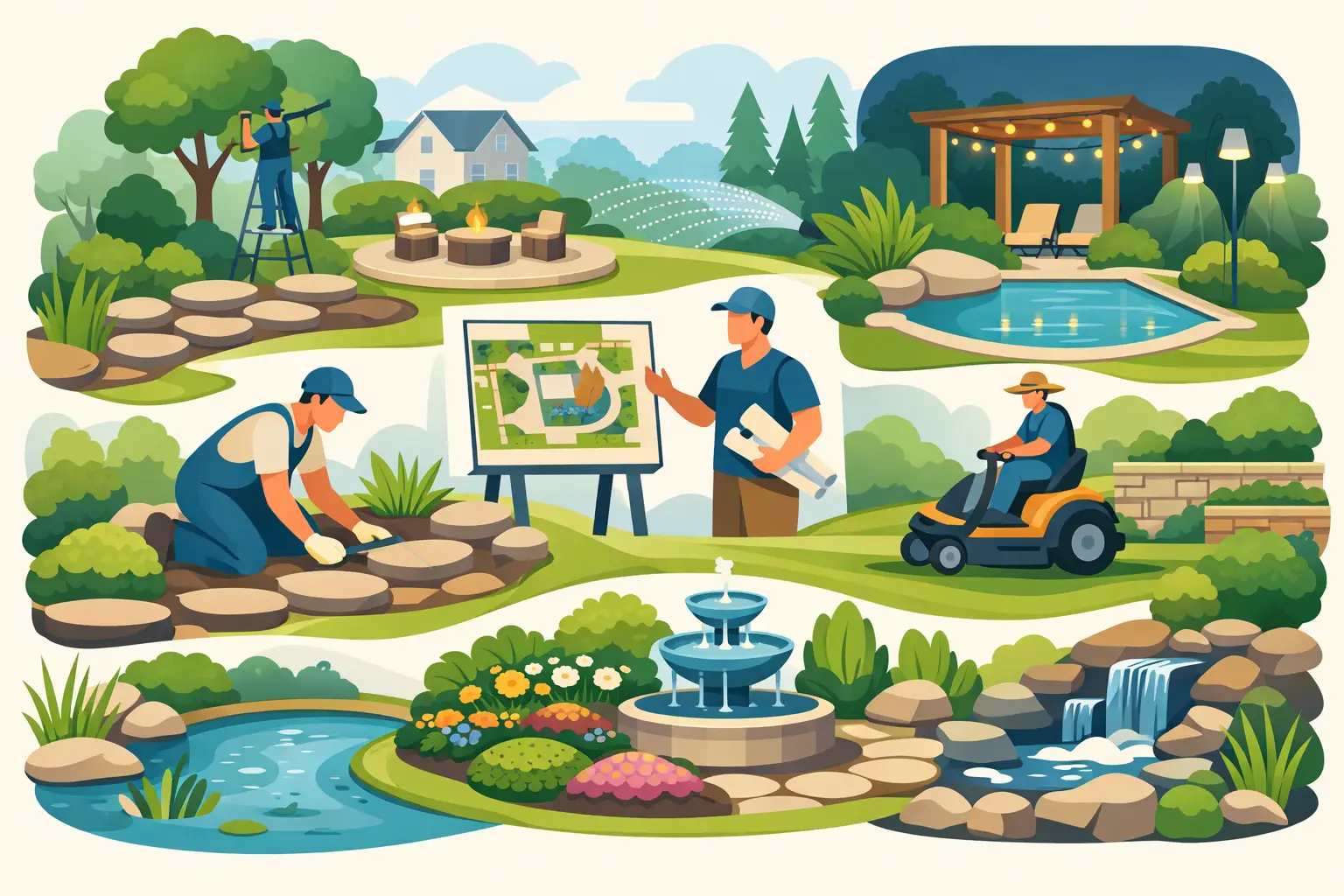
Here are 12 landscaping services examples that are common, practical, and worth considering when you want more from your outdoor space.
1. Landscape design
Good results usually start with a plan. Landscape design helps organize the layout of your yard before installation begins, so plants, patios, walkways, and open areas all work together.
This matters because many outdoor problems are really planning problems. Beds may be too large to manage, traffic patterns may cut through grass, or the backyard may not have a clear purpose. Design helps avoid expensive rework and gives the project direction from the start.
2. Planting installation
Planting is one of the most recognizable landscape services, but quality matters more than quantity. Trees, shrubs, flowers, and ornamental grasses should fit the property, the light conditions, and the long-term maintenance expectations.
A well-chosen planting plan softens hard edges, adds seasonal color, and improves the overall balance of the property. The trade-off is that planting without a bigger plan can look good for one season and crowded by the next.
3. Sod installation
When a lawn is patchy, muddy, or beyond simple repair, sod installation offers a fast reset. Instead of waiting for seed to fill in over time, sod creates an immediate finished look and helps stabilize bare areas.
This service is especially useful when curb appeal matters right away or when a property owner wants usable green space without a long wait. The catch is that sod still needs proper prep and watering to establish well. Quick visual improvement does not mean zero follow-through.
4. Mulch and bed definition
Fresh mulch and clearly shaped planting beds can change the look of a property faster than people expect. This kind of work sharpens the appearance of the yard, reduces weed pressure, and helps retain soil moisture around plants.
It is also one of the best examples of a service that combines appearance with practical upkeep. On the other hand, mulch alone will not fix deeper landscape issues. If the beds are poorly placed or the plants are overgrown, this is more of a refresh than a full solution.
5. Hardscape installation
Hardscaping includes built landscape features such as walkways, retaining elements, borders, and other non-plant structures that shape how the space functions. This is often what turns a yard from decorative into usable.
For example, if people naturally cut across the lawn to reach a side entrance, a walkway solves wear and mess while making the property feel more complete. Hardscape work tends to be a bigger investment upfront, but it usually adds structure, durability, and long-term value that softscape improvements alone cannot match.
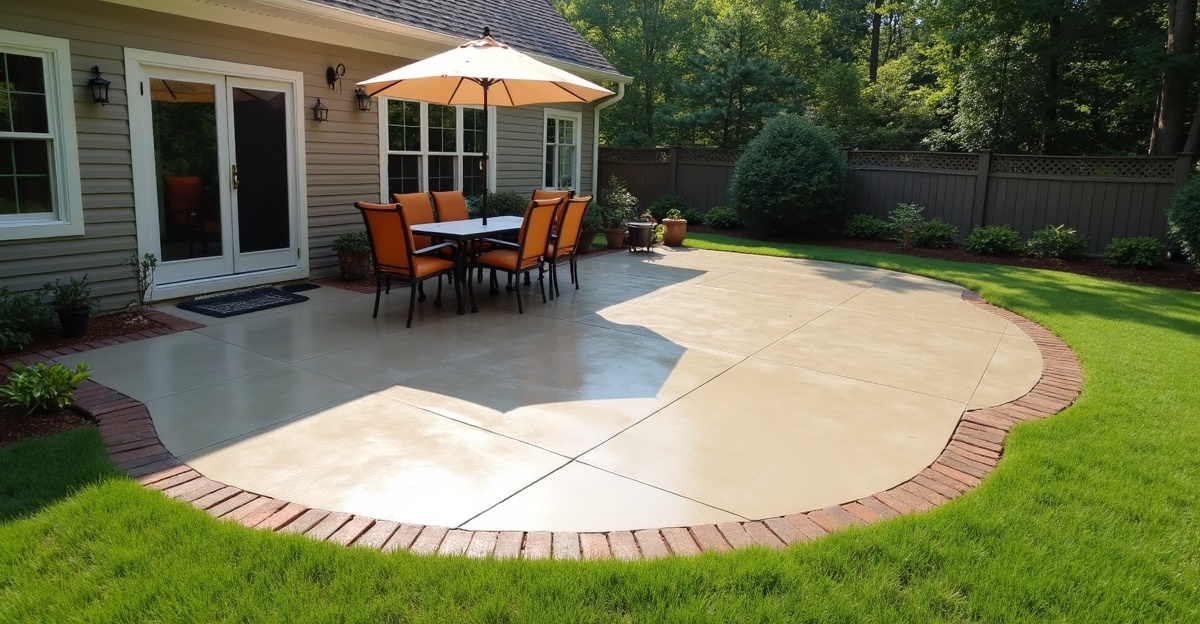
6. Concrete patios
A concrete patio is one of the most practical outdoor upgrades for homeowners who want a clean, durable space for seating, grilling, or gathering. It creates a defined outdoor living area without the constant shifting and maintenance that can come with some other materials.
Concrete patios work especially well when the goal is reliability and easy use. The design can stay simple or become more decorative depending on the style of the home. What matters most is proper site prep, grading, and finishing so the patio performs as well as it looks.
7. Stamped concrete patios
Stamped concrete patios offer the strength of concrete with a more custom appearance. This service is a strong fit for property owners who want a more elevated finish without building an entirely different type of patio system.
Stamped concrete can add texture and visual interest, which helps the patio feel like part of the overall landscape rather than just a slab. The trade-off is that decorative finishes require skilled installation. If workmanship is poor, the surface can look artificial or wear unevenly.
Landscaping services examples that improve function
Some of the best outdoor projects are not just about appearance. They make the property easier to move through, easier to use, and easier to manage.
8. Concrete driveways
Concrete driveways are often discussed as paving work, but they also play a major role in the overall landscape. A driveway affects first impressions, access, drainage patterns, and the relationship between the home and the yard.
When a driveway is cracked, stained, too narrow, or poorly laid out, it can make the entire property feel neglected. A new concrete driveway gives the exterior a cleaner, more finished look while providing a durable surface that handles daily use well.
9. Walkways and access paths
A walkway is a simple feature that solves several problems at once. It directs foot traffic, protects lawn areas from wear, improves safety in wet weather, and gives the landscape a more intentional layout.
This matters for both residential and small commercial properties. If guests or customers are guessing where to walk, the space feels unfinished. A clear path adds order and convenience without needing a large footprint.
10. Outdoor space upgrades for usability
Sometimes a landscape service is less about a single feature and more about making the yard usable. That can mean reworking layout around a patio, opening up crowded areas, or combining planting and hardscape elements so the property has a better flow.
This is where full-service planning makes a difference. Instead of hiring one company for concrete, another for planting, and another to fix the layout issues left behind, property owners often get a cleaner result when one team handles the space as a whole.
11. Seasonal cleanups and property refreshes
Not every job starts as a major installation. Seasonal cleanup services help reset a property that has become overgrown, messy, or visually tired after weather changes and long periods without attention.
This kind of service can include clearing debris, reshaping beds, trimming back plant growth, redefining edges, and preparing the property for the next phase of improvements. It is often the right first move when the yard feels overwhelming and the owner is not sure where to begin.
12. Ongoing property upkeep
Some outdoor work is best handled as a one-time project. Other parts need regular attention to keep the original investment looking right. Ongoing property upkeep helps protect the appearance and function of installed features over time.
For homeowners and small commercial clients, this is often where convenience matters most. It is one thing to install a better outdoor space. It is another to keep it clean, polished, and consistent without having to coordinate multiple contractors every few months.
How to choose the right landscaping services examples for your property
The right mix depends on what is not working now. If the yard looks tired but the layout is solid, planting, sod, and bed refresh work may be enough. If the property lacks usable space, hardscape or a concrete patio may do more than any amount of new greenery.
Budget matters too, but so does sequencing. Some owners try to save money by handling upgrades in pieces, only to find that earlier work has to be redone once the bigger project starts. A phased approach can still work well, but only if the long-term plan is clear from the beginning.
It also helps to think beyond appearance. A stamped concrete patio may improve entertainment space, a concrete driveway may clean up the front approach, and better planting may improve curb appeal. The best projects usually solve both visual and practical problems at the same time.
For properties in places like Loganville, Winder, and Athens, local conditions and property style can shape what makes the most sense. The right service is not always the flashiest one. It is the one that fits how the space is used, what the property needs, and how much upkeep the owner realistically wants to manage.
At Greenstone Landscaping Co, that practical mindset matters. Property owners are usually not asking for outdoor work just to check a box. They want a yard, entrance, patio, or driveway that looks right, works well, and stays dependable after the job is finished.
If you are comparing ideas for your own property, start with the services that solve the biggest frustration first. Once the outdoor space begins working better, the visual improvement tends to follow naturally.