A property can be structurally sound, clean, and well cared for, yet still look forgettable from the street. That usually comes down to first impressions. If you're wondering how to improve curb appeal, the answer is rarely one big change. It is usually a series of smart exterior updates that make the property look intentional, maintained, and inviting.
For homeowners, that can mean better resale value and a home you feel good pulling up to every day. For small commercial properties, it can affect how customers, tenants, and visitors judge the business before they ever walk inside. The good news is that curb appeal is highly fixable when you focus on the right elements.
How to improve curb appeal by starting with the basics
The fastest way to improve an exterior is to deal with what makes it look neglected. Even attractive homes lose their impact when the front yard looks uneven, the driveway is stained, or planting areas seem random. Before adding anything decorative, start by looking at the property as a whole.
Stand at the street and notice what your eye lands on first. Is the walkway clear and defined? Does the driveway help the property look polished, or does it drag everything down? Do the planting beds frame the house, or do they disappear into the lawn? Strong curb appeal starts when the main features feel clean, balanced, and easy to read.
This is where many people waste time and money. They buy seasonal flowers or a new mailbox but ignore cracked concrete, worn edges, or thin turf near the entrance. Smaller touches matter, but they work best after the core structure of the front exterior is in good shape.
Focus on the features people notice first
Most curb appeal problems come from a short list of visible issues. The lawn may not be the problem at all. Often, the biggest visual impact comes from hardscape, layout, and the condition of surfaces close to the home.
The driveway sets the tone
A driveway takes up a lot of visual space. If it is cracked, stained, or uneven, it can make the entire property feel older and less maintained. Replacing or upgrading a driveway is one of the most noticeable improvements because it immediately makes the front of the home look cleaner and more finished.
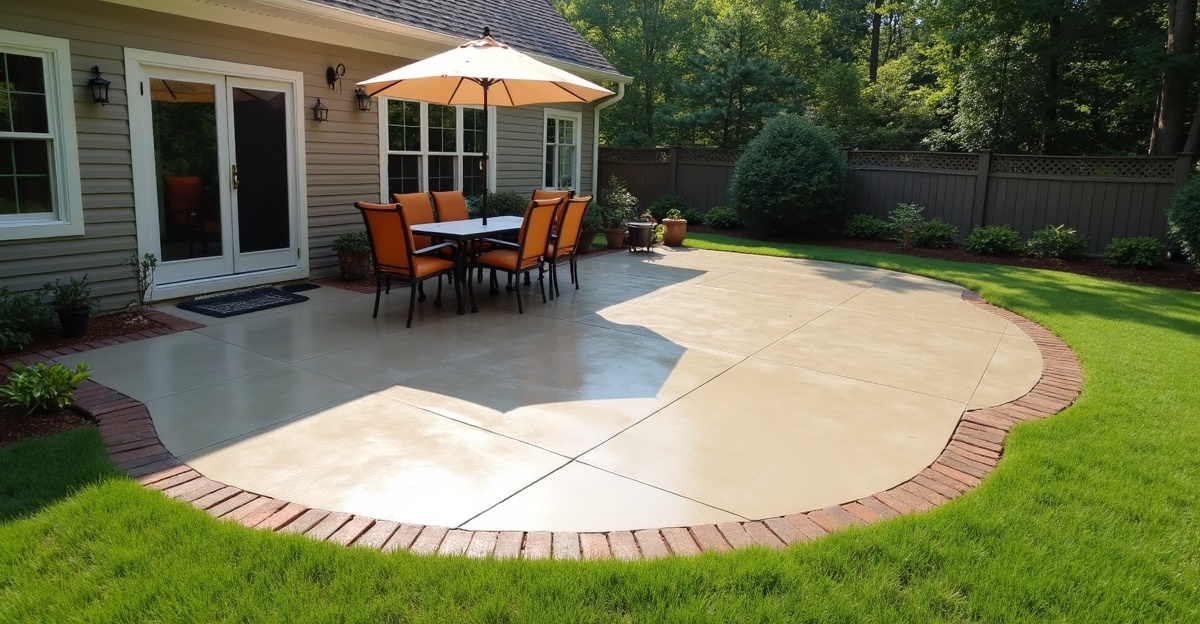
Concrete driveways are especially effective when you want durability and a neat appearance without a lot of visual clutter. If the goal is a more custom look, decorative finishes can add character without making the property feel overdone. The right driveway should fit the style of the home and hold up well over time.
Walkways and entry paths should feel intentional
If guests have to guess where to walk, the front yard is missing one of its most important visual cues. A defined path creates structure. It also makes the home look more welcoming.
Concrete walkways, paver paths, and simple hardscape borders can all help create that sense of order. The best choice depends on the home, the grade of the lot, and your budget. Simpler is often better. A clean, direct path usually does more for curb appeal than a complicated design.
The front entry needs contrast and framing
The front door area should stand out just enough to guide the eye. That does not require expensive materials. It can be as simple as balanced planting beds, fresh mulch, clean edges, and a porch or patio area that looks well kept.
When the entry is framed properly, the house feels more welcoming from the street. If everything around the front door is flat in color or texture, the home can look unfinished even if it is technically in good condition.
Landscaping matters most when it creates structure
People often think curb appeal is about adding more plants. In reality, it is about placing the right plants in the right spots. Good landscaping gives the property shape. It softens the hard lines of the home and hardscape while still keeping everything orderly.
Foundation plantings are one of the most effective ways to improve the front of a house. They help anchor the home to the lot and reduce that bare, disconnected look many properties have. A mix of shrubs, ornamental grasses, and seasonal color can work well, but scale matters. Plants that outgrow the space quickly create a maintenance problem and can make the front elevation look crowded.
Sod installation can also make a major difference when the yard is thin, patchy, or uneven in color. Fresh sod gives the property an immediate finished appearance that seed cannot match in the short term. That said, sod works best when the underlying grading and soil conditions are addressed first. Otherwise, the improvement may not last.
Mulch is another simple but effective upgrade. Fresh mulch gives beds a clean, defined look and helps plantings stand out. The key is restraint. Overmulching around trees or piling mulch too high around shrubs creates a sloppy look and can harm plant health.
Hardscape upgrades often give the best return
When people ask how to improve curb appeal, they often expect the answer to be all about planting. Planting helps, but hardscape usually creates the stronger long-term transformation because it adds structure, function, and durability.
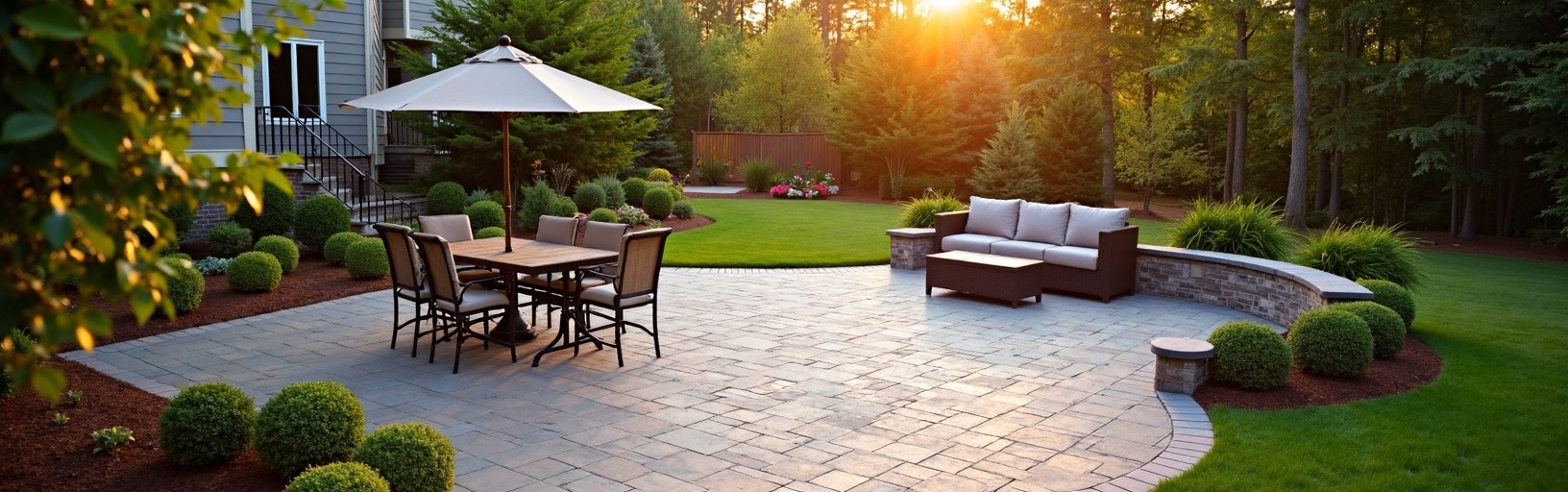
A front patio, sitting area, or upgraded porch surround can make the property feel more complete. On homes with limited front-yard character, stamped concrete can add texture and visual interest in a way that still feels practical. It is especially useful when you want the appearance of a more detailed finish without the higher cost or upkeep of some other materials.
There is a trade-off, though. Decorative surfaces should support the house, not compete with it. If the pattern, color, or layout is too busy, the exterior can start to feel dated faster. In most cases, neutral tones and classic patterns hold up better visually over time.
For small commercial properties, hardscape is often even more important. Customers notice accessible, well-defined entry areas and clean concrete surfaces right away. A neat exterior suggests that the property is managed well, which supports trust before a client even reaches the door.
Keep the design consistent with the property
One of the easiest ways to miss the mark is to combine too many styles. A modern walkway, cottage-style planting, rustic stone edging, and highly decorative stamped concrete may all look good separately, but not necessarily together.
Better curb appeal usually comes from consistency. If the house has clean lines and a simple exterior, keep the landscaping and concrete choices clean and simple too. If the home has more traditional architecture, softer planting shapes and warmer materials may fit better. The goal is not to make the front yard look expensive. The goal is to make it look cohesive.
This is also why copying ideas from photos does not always work. What looks right on one property may feel out of place on another because the lot size, home style, and surrounding features are different. Good exterior improvements are always somewhat site-specific.
Think beyond appearance alone
The best curb appeal improvements do more than look good for a few weeks. They also make the property easier to use and easier to keep looking good. That practical side matters.
For example, a wider walkway may improve both appearance and access. Replacing worn concrete can improve safety as well as visual appeal. Choosing the right plant material can reduce how quickly the front beds become overgrown. Installing hardscape borders can help maintain clean lines between surfaces.
That is where working with a full-service exterior contractor can save time and frustration. Instead of piecing together separate services, you can plan landscaping, concrete work, planting, and overall layout as one coordinated upgrade. That usually leads to a better result because each part supports the others.
What to prioritize if you have a budget
If you do not want to redo everything at once, start with the features that take up the most visual space or create the strongest negative impression. In many cases, that means the driveway, front walkway, entry area, and foundation planting.
If the concrete is failing, fix that first. If the front yard lacks definition, improve the beds and borders next. If the grass is thin and uneven, sod may be the right reset. Once those core elements are in place, smaller details like planters, lighting, and decorative accents will have more impact.
The biggest mistake is spreading the budget too thin across too many cosmetic touches. A few well-executed upgrades almost always outperform a dozen minor fixes.
For property owners in places like Loganville, Winder, Athens, and Lawrenceville, that often means choosing materials and plantings that not only look good at installation but also hold up well through changing seasons and regular use. Lasting curb appeal is not just about launch-day appearance. It is about how the property presents month after month.
If you want the front of your property to feel sharper, more valuable, and easier to be proud of, start with what people actually see from the street and build from there. The right improvements do not need to be flashy. They just need to be done well.